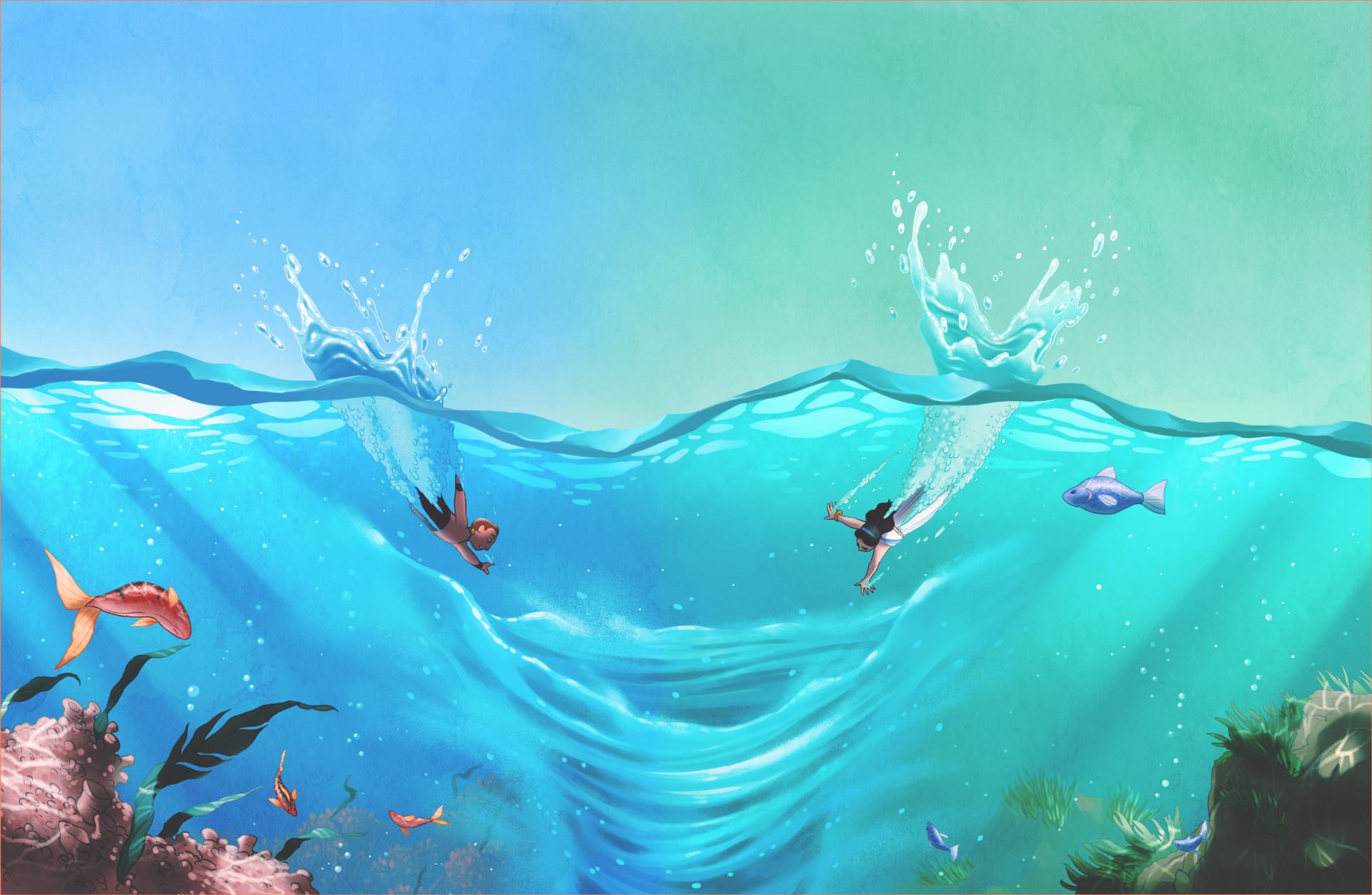
In 388 BC, Plato attempted to persuade the rulers of Athens to exile all poets and myth-makers from the state, claiming they posed a threat to society. According to Plato, storytellers deal in ideas—but not openly, in the rational manner of philosophers. Instead, they cloak ideas in the seductive emotions that art inspires. Yet ideas transmitted through emotion remain ideas nonetheless. An effective narrative, Plato argued, conveys activated ideas with such persuasive force that acceptance becomes possible even when those ideas are repugnant, or morally unacceptable. Therefore, storytellers are dangerous people.
It is difficult to disagree with Plato here. The transmission of false ideas is not a good thing—especially where the children of today are concerned, who inevitably receive ideas of every kind and quality through books, television, cinema, and the internet. No one questions the intentions of any creator, yet it is widely known that the motives behind many works available today are often mixed, and do not always have children's overall well-being as their primary concern.
The Elesti children's story series was inspired precisely by this premise: that a narrative possesses the capacity to transmit ideas to children in a manner and with an effectiveness unmatched by any other medium of communication. Where Elesti seeks to depart from the traditional approach, however, lies in the methodical way it embeds within its tales specific ideas drawn from time-honoured sources of wisdom. The creators' conviction is that when intention is pure and transparent, and the quality of ideas is high, a beautiful and carefully crafted work can prove to be an exceptional tool not merely for entertainment, but for the cultivation of consciousness.
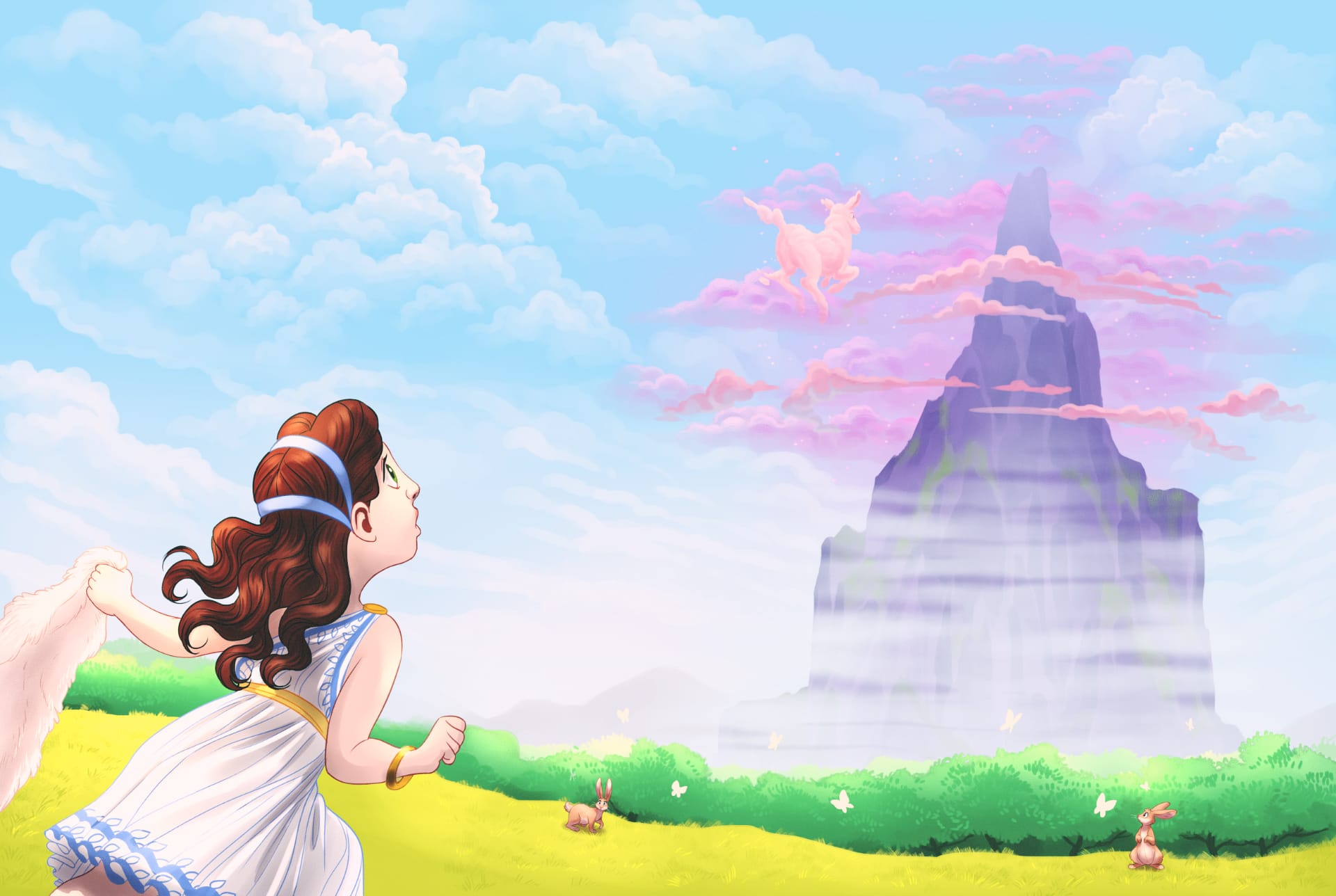
What Is Elesti?
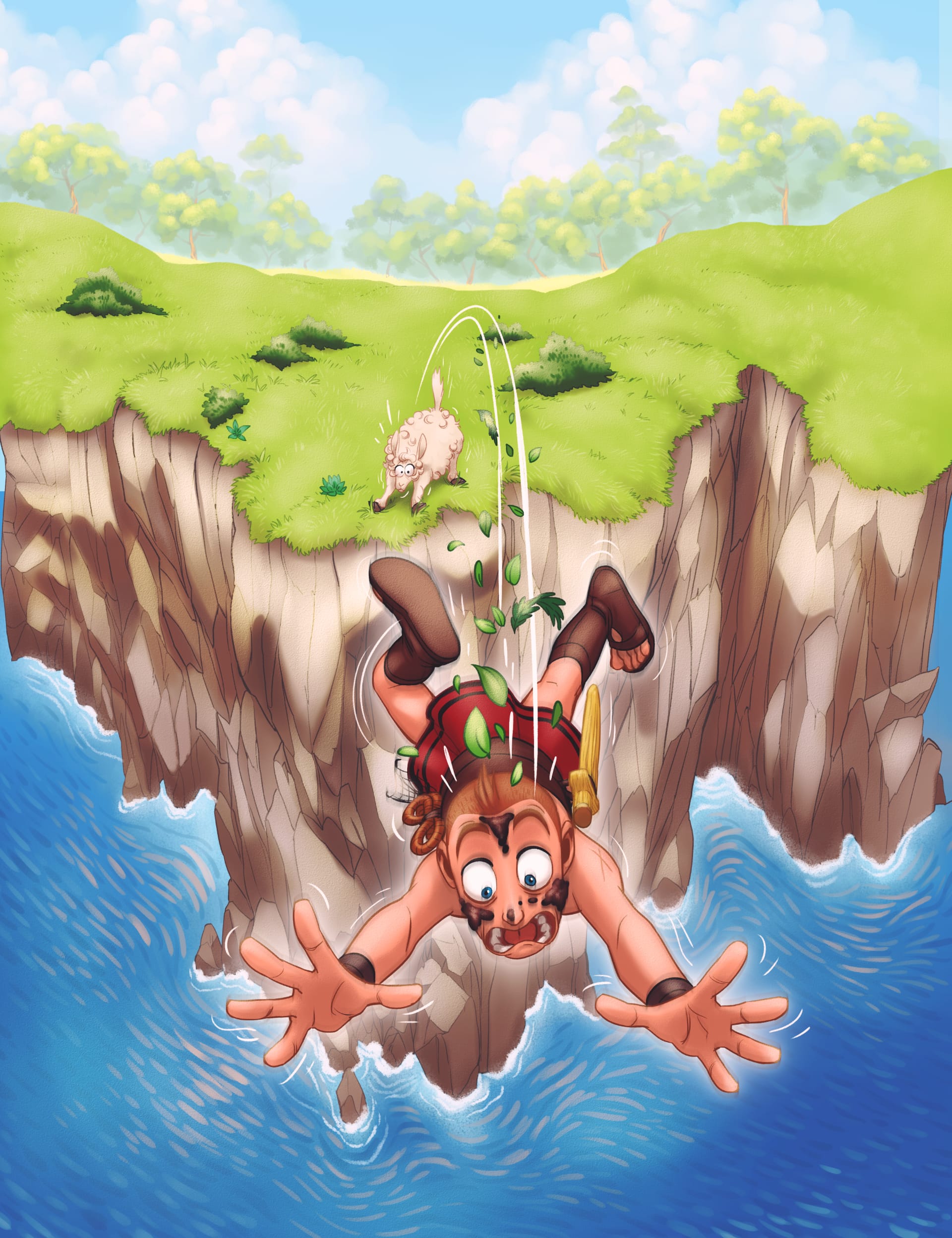
Elesti is a series of stories featuring two children from ancient Greece. Avra, a girl from Athens, and Leon, a boy from Sparta, who are contacted by an unknown, thirteenth goddess: Elesti. They become her apprentices and travel to various places throughout Greece and beyond, from one historical era to another, living incredible adventures and changing the face of humanity.
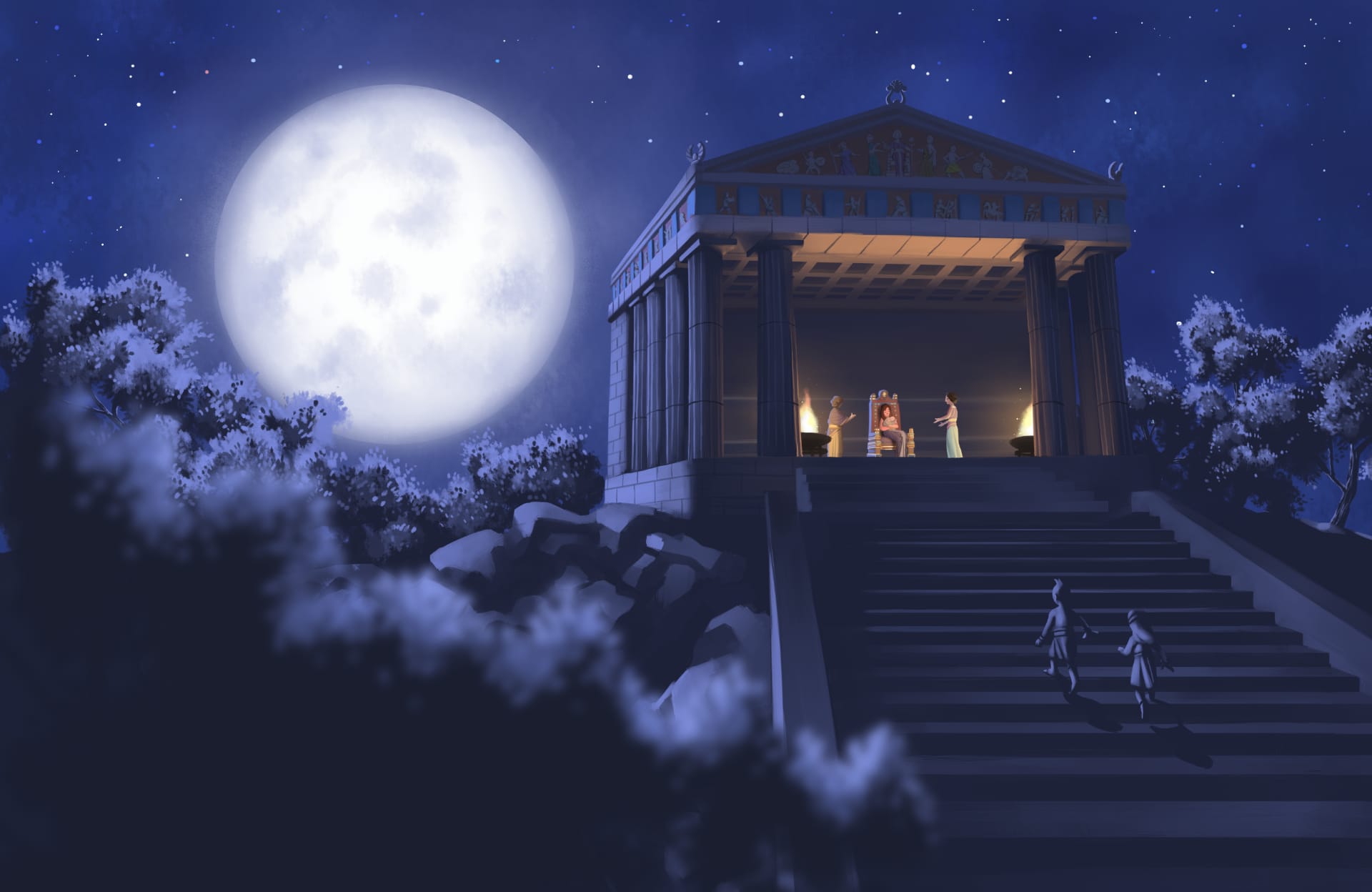
The series belongs to the genre of historical fantasy. The geography, ancient history, mythology, and culture of Greece form the foundation upon which a fantastical parallel world is built—the world of Elesti. Largely faithful to the historical reality of its era, this world weaves together Greek mythology and philosophy with the storylines of our heroes, creating an inexhaustible source of entertainment, education, and dissemination of ideas, ideals and values. The result is a series with a classical Greek core and contemporary dynamism.
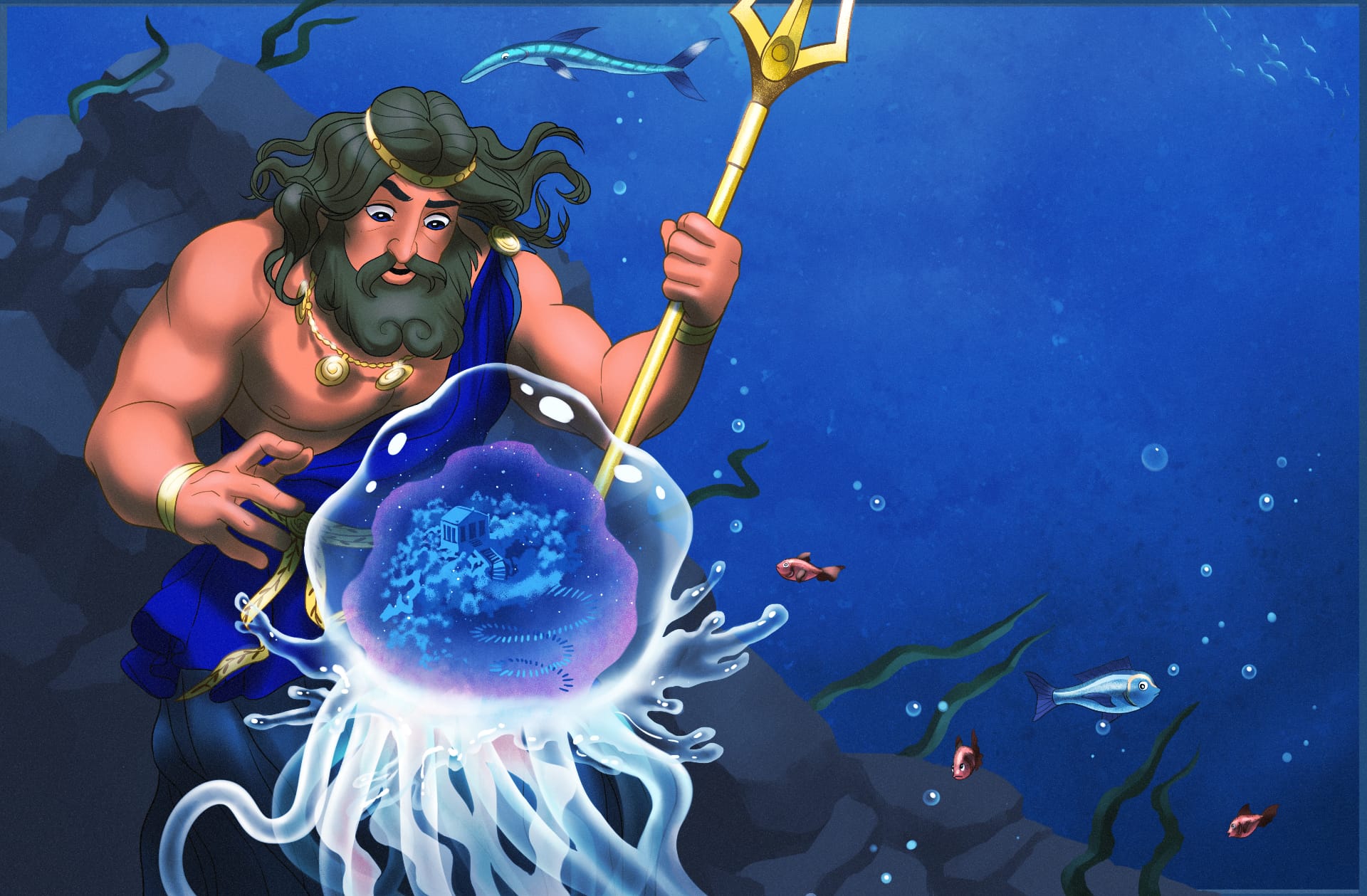
The Aim of Elesti
The aim of the series is to cultivate a particular quality of thinking and a corresponding approach to life. The primary point of reference and source of inspiration is ancient Greek philosophy. The vehicle for achieving this aim is a narrative that is engaging, accessible, friendly, positive, and carefully designed—structured in such a way as to provide the best possible foundation for broad acceptance and subsequent development.
This aim concerns not only children but also parents, whom Elesti addresses both through the children's story itself and through supplementary material such as this text.
The Sacred Covenant
The first instalment of the Elesti series, by no means coincidentally, begins with a simple story that culminates in an agreement between the deity and the two children. Like every agreement, this one has meaning only from the moment its foundational principle is mutually accepted—a principle simple in its articulation, yet with unlimited extensions and possibilities in its outcome. Such an agreement is what every creator, to one degree or another, seeks to achieve between the voice they represent and the recipient or reader.
There exist certain concepts, certain laws that originate beyond us. Just as the need for oxygen is indisputable for our physical survival, so too is alignment with that which is greater than ourselves—that which contains us, whether one wishes to call it earth, universe, or God—essential for our physical and psychological health, as well as for our conscious evolution as individuals and as humanity. The mechanism of evolution from generation to generation contains a role, titled "parent," of defining importance.
While the subject is inexhaustible, the goal of every parent is, ideally, specific: beyond physical survival and prosperity, it is the cultivation and transmission to the child of particular concepts, values, principles, and ideals, with the ultimate purpose of forming the character that will facilitate the child to evolve to the fullest extent of their potential.
The Elesti series Issue #1: The Myth of Elesti children's book is available in English and Greek worldwide. Issue #2: Poseidon's Trap is accepting pre-orders while the Elesti team completes the third issue: The Key to Power.